
Best Hedging Forex Brokers
In the world of forex trading, navigating the turbulent waters of currency fluctuations can be daunting. Amidst the inherent risks and uncertainties, hedging forex brokers have emerged as trusted allies for traders seeking to minimize exposure and protect their investments. These very best forex brokers specialize in offering sophisticated risk management strategies, empowering traders to navigate the complex foreign exchange market with greater confidence and control.
Best Hedging Forex Brokers Table of Contents
- Best Hedging Forex Brokers - Quick Look
- What Is Forex Hedging?
- Is hedging allowed in forex brokers?
- Should you hedge forex?
- Defining Forex Hedging:
- Types of Hedging Strategies:
- Broker's Expertise and Tools
- Knowledge and Guidance
- Hedging-Friendly Trading Platform
- Risk Management Tools
- Liquidity and Pricing
- Regulatory Compliance
- Customer Support
- Benefits of Hedging Forex Brokers:
- Risk Reduction
- Protection Against Market Volatility
- Portfolio Diversification
- Downside Protection
- Risk Customization
- Flexibility in Risk Management
- Forex Hedging Strategies
- The Best Brokers to Hedge Forex With
- Does MetaTrader 4 allow hedging?
- Balancing Risk and Opportunity in Forex Trading
- Best Hedging Forex Brokers List Compared

Best Hedging Forex Brokers - Quick Look
Risk Warning : Your capital is at risk when trading live forex markets. 70-88% of retail CFD accounts lose money. Losses can exceed deposits.
| Broker | Reasons for Forex Hedging With This Broker |
|---|---|
 IC Markets
|
|
 RoboForex
|
|
 XTB
XTB
|
|
 XM
XM
|
|
 AvaTrade
|
|
What Is Forex Hedging?
At its core, hedging in forex trading involves strategically placing trades to offset potential losses from adverse price movements. By employing carefully calculated positions, traders can create a buffer against market volatility, shielding themselves from the potential negative impacts of unpredictable currency fluctuations. Forex brokers for hedging play a crucial role in facilitating these strategies, utilizing their expertise and cutting-edge tools to offer traders a comprehensive risk management approach.
One of the critical advantages of relying on hedging forex brokers is their in-depth knowledge and understanding of market trends. These brokers possess experience and expertise in analyzing currency movements, allowing them to identify potential risks and opportunities. Armed with this information, they can guide traders in formulating effective hedging strategies, positioning them to navigate the forex market with precision and prudence.
The benefits of engaging hedging forex brokers extend beyond risk reduction. These very best forex brokers offer traders the opportunity to achieve greater portfolio stability. By strategically hedging positions, traders can offset potential losses in one currency pair with gains in another, creating a more balanced and resilient portfolio. This stability safeguards capital and allows traders to weather market fluctuations more confidently, maintaining a long-term perspective and optimizing their trading performance.
However, choosing the right hedging forex broker is paramount to the success of any risk management strategy. It is essential to consider factors such as regulatory compliance, reputation, execution speed, technological capabilities,
and cost transparency when selecting a broker. A reliable and reputable broker will provide effective hedging solutions and ensure a seamless trading experience bolstered by state-of-the-art platforms and transparent
pricing structures.
Is hedging allowed in forex brokers?
Yes, hedging is allowed by many forex brokers. However, it's important to note that not all are not all forex brokers permit hedging, so it's crucial to check the broker's policy on hedging before opening an account. Some best forex brokers allow hedging, complex hedging, or specifically cater to hedging strategies and provide features and platforms that facilitate hedging; while some, not all, forex brokers allow simple hedging only, others may have restrictions on complex instruments for hedging or limitations on hedging positions.
Hedging in the forex market involves opening multiple positions on the same or correlated currency pairs, with two opposing positions, to reduce or offset the risk associated with one position by taking an opposite position. Hedging allows Forex traders to protect themselves against adverse price movements or volatility.
When considering a forex broker, it's advisable to review their terms and conditions, trading policies, and any specific rules related to hedging. Some brokers may require traders to open separate accounts or use specific platforms for hedging purposes. It's also important to consider factors such as spreads, execution speed, available trading instruments, and the broker's regulatory status and reputation.
By conducting thorough research on financial markets and selecting a broker that explicitly allows and supports hedging, traders can ensure they have the necessary flexibility and tools to implement their hedging strategies effectively.
Should you hedge forex?
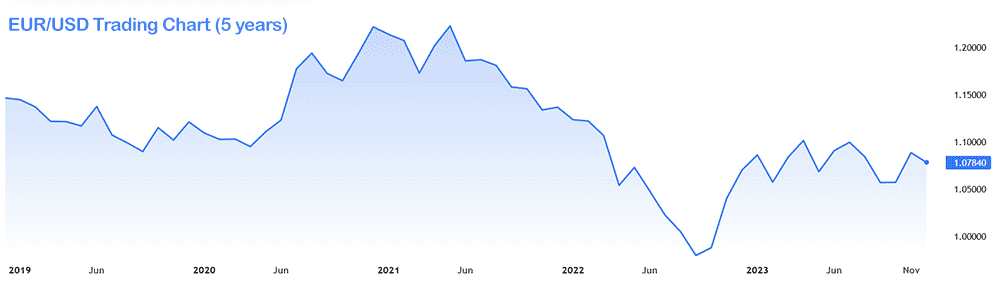
The decision to hedge forex positions is subjective and depends on individual circumstances, risk tolerance, and trading objectives. Hedging can be a useful risk management method, but it has pros and cons. Here are some factors to consider when deciding whether to hedge forex:
-
Risk Management: Hedging can be beneficial for managing risk in forex trading. By opening offsetting positions, hedging allows traders to mitigate potential losses in case of adverse market movements. It provides protection and can help stabilize trading portfolios during volatile market conditions.
-
Volatility and Uncertainty: If you anticipate increased volatility or uncertain market conditions, hedging can provide a sense of security. It allows you to limit potential downside risk and manage your exposure to unpredictable market fluctuations.
-
Trading Strategy: The decision to hedge forex depends on your trading strategy and objectives. Some traders prefer hedging as part of their overall risk management plan, while others prefer a more speculative approach without hedging. Consider whether hedging aligns with your trading style and long-term goals.
-
Costs and Complexity: Hedging can involve additional costs, such as spreads, commissions, or swap fees. It's essential to evaluate the potential impact of these costs on your trading performance. Moreover, hedging strategies can be complex and require careful monitoring and execution, so ensure you understand the strategy and its potential implications.
-
Opportunity Cost: Hedging can limit your exposure to losses but also limits your potential for gains. By hedging, you are essentially trading off the potential profits from one position for protection against losses in another. Consider the opportunity cost of hedging and how it aligns with your risk-reward preferences.
Ultimately, the decision to hedge forex should be based on a thorough assessment of your risk appetite, market outlook, mobile trading amount, and trading strategy. It's crucial to understand the potential benefits and drawbacks of hedging and carefully weigh them against your specific circumstances and objectives. It may also be helpful to consult with experienced traders or seek professional advice to assist in making an informed decision.
Defining Forex Hedging:
Forex hedging is a risk management strategy traders employ to protect their positions against potential adverse price movements in the foreign exchange market. It involves opening additional trades or positions that counterbalance existing ones, aiming to offset or minimize the impact of potential losses.
At its core, hedging in the forex market creates insurance or protection against unfavourable market conditions. Traders strategically place trades in opposing positions that negatively correlate with their existing positions, meaning that when one trade incurs losses, the other trade is expected to generate gains, thereby reducing the overall risk exposure of retail traders.
There are various techniques and instruments that traders can utilize for hedging purposes. Some common hedging strategies include:
Direct Hedging: This involves opening a trade in the opposite direction to a current position on the same currency pair. For example, if a trader has a long position on a particular currency pair, they would open a short position on the same pair to hedge against potential downside risk.
Cross-Currency Hedging: Cross-currency hedging is employed when traders want to hedge their exposure to currency risk by utilizing different currency pairs. It involves taking positions in correlated currencies to offset potential losses due to adverse exchange rate movements.
Options Hedging: Options provide another hedging avenue, allowing traders to purchase or sell the right to purchase or sell a currency pair at a specific price within a specified time frame. Options can protect against unfavourable price movements while allowing traders to benefit from favourable market conditions.
The primary goal of forex hedging is not to generate profits but to manage and mitigate risk. By employing hedging strategies, forex traders aim for high-risk and low spreads to create a more balanced and resilient portfolio, reducing the impact of adverse market events on their overall trading performance.
Types of Hedging Strategies:
In the ever-evolving finance landscape, uncertainty lurks at every corner; wise investor knows that protecting their investments from unforeseen risks is paramount. Hedging, a time-honoured practice, emerges as a powerful tool in the risk management arsenal. By employing various hedging strategies, investors aim to mitigate potential losses and safeguard their portfolios against adverse market movements. Let us journey through the intricate world of hedging and explore some unique and effective strategies astute investors employ.
Options Hedging: Options hedging involves utilizing financial derivative instruments called options to minimize potential loss. This strategy proves particularly useful during volatile markets, as it safeguards against downward price movements. Conversely, investors may opt for call options to protect against upward price movements. Options hedging provides flexibility and allows investors to adapt their strategies based on market conditions.
Futures Hedging: Futures contracts offer another avenue for hedging strategies. Investors can offset potential losses in the underlying asset by taking an opposing position in futures contracts. For instance, a commodity producer may enter into a futures contract to sell their product at a fixed price, protecting themselves against price fluctuations. Futures hedging is widely employed in agriculture, energy, and finance industries.
Currency hedging : Currency hedging strategies aim to limit the risks associated with foreign exchange fluctuations. Businesses engaged in international trade often face significant exposure to currency movements, which can impact their profitability. Forward contracts, options, and futures are commonly employed instruments in currency hedging. By locking in exchange rates or using derivatives, investors can protect themselves from adverse currency movements and stabilize their cash flows.
Portfolio Hedging: Portfolio hedging involves diversifying investments to reduce overall risk exposure. This strategy aims to balance the risk-return profile of a portfolio by allocating investments across different asset classes, sectors, or geographic regions. By diversifying, investors minimize the impact of adverse events affecting a specific asset or market. Additionally, investors may employ options or futures contracts on their portfolio holdings to mitigate risk further. Portfolio hedging is a holistic approach to risk management, allowing investors to navigate through uncertain market conditions.
Natural Hedging: Natural hedging strategies are employed by businesses to mitigate risks arising from inherent business operations. For instance, a company that operates in multiple countries may naturally hedge its foreign exchange exposure by matching revenues and expenses in the same currency. Similarly, companies involved in commodity production may offset the price risk by trading in commodities. Natural hedging utilizes the inherent dynamics of the business to minimize risk, providing a unique and tailored approach to risk management.
Broker's Expertise and Tools
Hedging forex brokers play a significant role in facilitating hedging trading strategies for traders. Their expertise and provision of specialized tools can greatly impact the effectiveness and efficiency of their hedging trading activities. Here are some key aspects of a hedging forex broker's role:
Knowledge and Guidance
Hedging forex brokers possess expertise in risk management and hedging strategies. They can provide valuable insights, educational resources, and guidance to traders looking to implement hedging techniques. Brokers with a strong understanding of hedging can assist traders in developing effective hedging strategies tailored to their specific trading goals and risk tolerance.
Hedging-Friendly Trading Platform
Forex brokers offering dedicated trading platforms designed for hedging can greatly enhance the execution of hedging strategies. These platforms typically include features like simultaneous long and short positions, multiple order types, and sophisticated risk management tools. They enable traders to easily implement and monitor hedging positions in real-time, enhancing precision and control over hedging activities.
Risk Management Tools
Hedging forex brokers often provide risk management tools that complement hedging strategies. These tools may include stop-loss orders, take-profit orders, trailing stops, and guaranteed stop-loss orders. Forex hedging positions close at set levels with the aim of limiting trading loss.
Liquidity and Pricing
Hedging forex brokers with access to deep liquidity pools and competitive pricing is essential for executing hedging strategies effectively. Adequate liquidity ensures traders can enter and exit hedging positions smoothly, even during volatile market conditions. Competitive pricing minimizes costs associated with spreads and ensures that hedging activities are economically viable.
Regulatory Compliance
Trusted and regulated forex brokers offer additional security and confidence for traders engaging in hedging activities. Regulation ensures that brokers adhere to strict financial standards and best practices, safeguarding traders' funds and ensuring fair trading conditions. Traders should seek brokers regulated by reputable authorities to mitigate the risk of fraud or unfair practices.
Customer Support
Reliable customer support is crucial when engaging in hedging activities. Hedging forex brokers with responsive and knowledgeable customer support teams can assist traders in resolving any issues or inquiries related to hedging strategies, platform functionalities, or trade execution.
Benefits of Hedging Forex Brokers:
Risk Reduction
One of the primary benefits of using hedging forex brokers is reducing the risk involved in forex trading. best Hedging forex brokers' strategies are designed to protect forex traders against potential losses by offsetting the impact of adverse market movements. Here are some key advantages of hedging forex brokers in terms of risk reduction:
Protection Against Market Volatility
Forex markets can be highly volatile, with sudden price fluctuations influenced by various economic, political, and global factors. Hedging forex brokers provide traders with tools and techniques to manage and limit the risks associated with such volatility. By employing hedging strategies, traders can offset potential losses in one position with gains in another, reducing the overall exposure to market volatility.
Portfolio Diversification
Hedging forex brokers enable traders to diversify their portfolios by incorporating different hedging strategies. Diversification helps spread the risk across various forex pairs, assets, or market sectors. By diversifying their positions, traders can reduce the impact of adverse market movements on their overall portfolio. Hedging allows traders to hold long and short positions simultaneously, providing flexibility and balance to their trading activities.
Downside Protection
Hedging forex brokers allow traders to protect themselves from significant losses during unfavourable market conditions. For example, by implementing a hedging strategy using options contracts, traders can limit their downside risk by purchasing put options that provide the right to sell an asset at a predetermined price. In a market downturn, the put options can offset the losses incurred in the underlying asset, acting as insurance against substantial downward moves.
Risk Customization
Hedging forex brokers allow traders to customize their risk management strategies according to their needs and risk tolerance. Different hedging techniques, such as forward contracts, options, or even complex derivative instruments, offer varying degrees of risk reduction. Traders can select the most suitable hedging approach based on their market outlook, trading style, and risk appetite.
Flexibility in Risk Management
Hedging forex brokers empower traders with the flexibility to adjust their risk exposure as market conditions evolve. Traders can modify or close their hedging positions in response to changing market dynamics, news events, or shifts in their trading strategies. This adaptability allows real-time risk management, enabling traders to react swiftly to protect their portfolios or exploit potential market opportunities.
Forex Hedging Strategies
Traders employForex hedging strategies to minimize or offset potential losses from adverse price movements in the foreign exchange market. Here are some common forex hedging strategies:
Direct Hedging: Direct hedging involves opening opposite positions in the same currency pair. For example, if a trader has a long position (buy) on a currency pair, they would also open a short position (sell) in the same pair. This strategy helps offset potential losses in one position with gains in the other, protecting adverse market movements. However, it also limits potential profits.
Multiple Currency Pairs Hedging: In this strategy, instead of hedging within the same currency pair, traders hedge across different currency pairs that have a strong correlation. For example, if a trader has a long position in one currency pair, they may open a short position in a correlated currency pair. This strategy reduces overall exposure to a particular currency and diversifies risk.
Cross-Currency Hedging: Cross-currency hedging involves hedging currency exposure by using currency pairs that are correlated to the original position but do not involve the same base currency. For example, suppose a trader has a long position in a currency pair involving the US dollar. In that case, they may hedge by opening a short position in another currency pair not involving the US dollar. This strategy is useful when there is a desire to hedge against currency risk without directly offsetting the original position.
Forex Options Hedging: Options hedging uses currency pair options with a hedging strategy to limit financial loss when trading. Options provide the right to purchase a specific forex currency pair at a previous agreed strike price, within a set period of time. Options hedging allows for flexibility and customization in managing risk.
Hedging with Forward Contracts:Forward contracts are contractual arrangements that enable individuals or entities to purchase or sell a specified amount of a currency at a predetermined exchange rate on a future date. Traders can use forward contracts to lock in a specific exchange rate, thus hedging against potential currency fluctuations. By entering into a forward contract, traders eliminate the risk of adverse exchange rate movements affecting their positions.
Natural Hedging: Natural hedging involves using operational or business activities to offset currency risks. For example, if a company has revenue in one currency and expenses in another, exchange rate fluctuations can impact profitability. By matching revenues and expenses in the same currency, the company naturally hedges against currency risk.
Professional traders must note that each hedging strategy has advantages, limitations, and suitability based on market conditions and individual trading goals. Traders should carefully evaluate the costs, risks, and effectiveness of each strategy, and consider seeking professional advice or education before implementing hedging strategies in live trading.
The Best Brokers to Hedge Forex With
When choosing the best brokers for forex hedging, several factors should be considered, including the broker's reputation, trading conditions, available platforms, customer support, and regulatory compliance. While individual preferences may vary; here are some brokers known for their hedging capabilities:
IC Markets: IC Markets is a reputable broker that offers forex hedging options to its clients. They provide access to various currency pairs, competitive spreads, and trading platforms, including their proprietary platform and MetaTrader 4 (MT4). IC Markets is regulated by top-tier regulatory bodies, providing a high level of trust and security for traders.
RoboForex: RoboForex is another well-established broker that allows forex hedging. They offer a comprehensive suite of trading tools, advanced charting capabilities, and a choice between their range of trading platforms. RoboForex is regulated by respected financial authorities, ensuring a reliable trading environment.
Pepperstone: Pepperstone is a popular broker known for its forex hedging capabilities. They provide a range of trading platforms, including MetaTrader 4 and MetaTrader 5, offering advanced charting tools and automated trading options. Pepperstone is regulated by reputable authorities, assuring traders of their commitment to transparency and client protection.
XTB: XTB is a well-known broker offering hedging opportunities in the forex market. They provide a user-friendly trading platform, access to various currency pairs, and competitive spreads. XTB is regulated by multiple regulatory bodies, including the FCA in the UK, adding to its credibility.
Remember, conducting thorough research, comparing brokers, and considering your specific trading needs before selecting a broker for forex hedging is crucial. Factors such as trading costs, account types, available leverage, and customer support should also be considered. Opening a demo account with a broker can also help you evaluate their platforms and services before committing to real funds.
Does MetaTrader 4 allow hedging?
Yes, MetaTrader 4 (MT4) does allow hedging. MT4 is a popular and widely used trading platform among forex traders, providing the option to hedge positions. Hedging in MT4 allows traders to open long and short positions simultaneously in the same currency pair.
To enable hedging in MT4, you must have a hedging-enabled account with your broker. Some brokers may offer both hedging and non-hedging (netting) account types, so it's important to choose the appropriate account when opening an account with a broker.
Once you have a hedging-enabled account, you can easily hedge your positions in MT4 by opening a new position in the opposite direction of your current position. For example, if you have a long (buy) position of 1 lot in a currency pair same asset, you can open a short (sell) position of 1 lot in the same currency pair or asset, effectively hedging your position.
MT4 provides various features and tools to manage hedged positions, such as separate profit/loss calculation for each hedged position and position size, the ability to modify or close individual positions, and real-time monitoring of the overall exposure.
It's important to note that while MT4 allows hedging, not all brokers using MT4 may offer hedging capabilities. Therefore, when choosing a broker, it's crucial to confirm whether they support hedging in MT4 and to review their terms and conditions regarding hedging activities.
Balancing Risk and Opportunity in Forex Trading
In the dynamic world of forex trading, hedging brokers play a vital role in helping traders navigate the delicate balance between risk and opportunity. These brokers offer specialized services and tools that empower traders to effectively manage their risk exposure while capitalizing on potential market gains.
Hedging brokers also offer a range of risk management tools and features to assist traders in implementing their hedging strategies effectively. These may include advanced order types, such as stop-loss orders and take-profit orders, that the brokers allow hedging traders to close positions at predetermined price levels automatically. Additionally, hedging brokers often provide real-time market analysis, educational resources, and personalized support to help traders make informed hedging decisions.
Moreover, hedging brokers facilitate access to various hedging instruments, such as futures and options contracts and forward contracts. These financial instruments enable traders to hedge their currency exposures and protect against adverse exchange rate fluctuations. By offering diverse hedging instruments, brokers empower traders to tailor their hedging strategies to their specific risk profiles and trading objectives.
When selecting a hedging broker, traders should consider regulatory compliance, reputation, trading costs, available platforms, and customer support. Choosing a broker that allows hedging and aligns with the trader's individual needs and preferences is essential.
Furthermore, traders should familiarize themselves with the broker's hedging policies, including any limitations or requirements associated with hedging activities. Understanding the broker's execution policies, margin requirements, mobile trading, and pricing structures are crucial for effective hedging implementation and fast execution.
Hedging brokers play a pivotal role in forex trading by offering risk management solutions enabling traders to balance risk and opportunity. Through their expertise, specialized tools, and access to hedging strategies and instruments, these brokers empower traders to protect their positions, navigate volatile markets, and optimize their trading outcomes. Selecting the right hedging broker is crucial to building a robust trading strategy and achieving long-term success in the forex market.
Best Hedging Forex Brokers List Compared
| Featured Hedging Forex Broker Trading Platform | Account Features | Trading Features |
|---|---|---|
| Used By: 180,000 Instruments Available: 232 Stocks Available: 2100 US Stocks: Yes UK Stocks: Yes German Stocks: Yes Japanese Stocks: Yes Indices: Yes Forex Pairs Available: 61 Major Forex Pairs: Yes Minor Forex Pairs: Yes Exotic Forex Pairs: Yes Minimum Deposit: 200 |
Platforms: MT4, MT5, Mirror Trader, ZuluTrade, Web Trader, cTrader, Mac Negative Balance Protection: Inactivity Fee: No Losses can exceed depositsVisit |
|
| Used By: 10,000 Instruments Available: 100 Stocks Available: 53 US Stocks: Yes UK Stocks: Yes German Stocks: Yes Japanese Stocks: Yes Indices: Yes Forex Pairs Available: 35 Major Forex Pairs: Yes Minor Forex Pairs: Yes Exotic Forex Pairs: Yes Minimum Deposit: 10 USD / 10 EUR |
Platforms: MT4, MT5, Mac, Web Trader, cTrader, Tablet & Mobile apps Negative Balance Protection: Inactivity Fee: No Losses can exceed depositsVisit |
|
| Used By: 200,000 Instruments Available: 1000 Stocks Available: 99 US Stocks: Yes UK Stocks: Yes German Stocks: Yes Japanese Stocks: Yes Indices: Yes Forex Pairs Available: 80 Major Forex Pairs: Yes Minor Forex Pairs: Yes Exotic Forex Pairs: Yes Minimum Deposit: 100 |
Platforms: Web Trader, MT4, MT5, AvaTradeGo, AvaOptions, Mac, Mobile Apps, ZuluTrade, DupliTrade, MQL5 Negative Balance Protection: Inactivity Fee: No 71% of retail CFD accounts lose moneyVisit |
|
| Used By: 10,000 Instruments Available: 100 Stocks Available: 10000 US Stocks: Yes UK Stocks: Yes German Stocks: Yes Japanese Stocks: Yes Indices: Yes Forex Pairs Available: 60 Major Forex Pairs: Yes Minor Forex Pairs: Yes Exotic Forex Pairs: Yes Minimum Deposit: 100 |
Platforms: MT4, MT5, IRESS, Mac, Web Trader, Tablet & Mobile apps Negative Balance Protection: Inactivity Fee: No Losses can exceed depositsVisit |
|
| Used By: 10,000 Instruments Available: 50 Stocks Available: 0 US Stocks: No UK Stocks: No German Stocks: No Japanese Stocks: No Indices: No Forex Pairs Available: 65 Major Forex Pairs: Yes Minor Forex Pairs: Yes Exotic Forex Pairs: Minimum Deposit: 10 |
Platforms: MT4, MT5, Tablet & Mobile apps Negative Balance Protection: Inactivity Fee: No Losses can exceed depositsVisit |
|
| Used By: 250,000 Instruments Available: 4000 Stocks Available: 1696 US Stocks: Yes UK Stocks: Yes German Stocks: Yes Japanese Stocks: Yes Indices: Yes Forex Pairs Available: 57 Major Forex Pairs: Yes Minor Forex Pairs: Yes Exotic Forex Pairs: Yes Minimum Deposit: 0 |
Platforms: MT4, Mirror Trader, Web Trader, Tablet & Mobile apps Negative Balance Protection: Inactivity Fee: Yes 76% - 83% of retail investor accounts lose money when trading CFDs with this provider. You should consider whether you understand how CFDs work and whether you can afford to take the high risk of losing your money. Visit |
|
| Used By: 89,000 Instruments Available: 100 Stocks Available: 60 US Stocks: No UK Stocks: No German Stocks: Yes Japanese Stocks: No Indices: Yes Forex Pairs Available: 70 Major Forex Pairs: Yes Minor Forex Pairs: Yes Exotic Forex Pairs: Yes Minimum Deposit: 200 |
Platforms: MT4, MT5, Mac, ZuluTrade, Web Trader, cTrader, Tablet & Mobile apps Negative Balance Protection: Inactivity Fee: Yes CFDs are complex instruments and come with a high risk of losing money rapidly due to leverage. Between 74-89 % of retail investor accounts lose money when trading CFDs. You should consider whether you understand how CFDs work and whether you can afford to take the high risk of losing your moneyVisit |
|
| Used By: 10,000,000 Instruments Available: 1000 Stocks Available: 160 US Stocks: Yes UK Stocks: Yes German Stocks: Yes Japanese Stocks: Yes Indices: Yes Forex Pairs Available: 55 Major Forex Pairs: Yes Minor Forex Pairs: Yes Exotic Forex Pairs: Yes Minimum Deposit: 5 |
Platforms: MT4, MT5, Mac, Web Trader, Tablet & Mobile apps Negative Balance Protection: Inactivity Fee: Yes CFDs are complex instruments and come with a high risk of losing money rapidly due to leverage. 77.74% of retail investor accounts lose money when trading CFDs with this provider. You should consider whether you understand how CFDs work and whether you can afford to take the high risk of losing your money.Visit |
|
| Used By: 20,000,000 Instruments Available: 2000 Stocks Available: 2042 US Stocks: Yes UK Stocks: Yes German Stocks: Yes Japanese Stocks: Yes Indices: Yes Forex Pairs Available: 50 Major Forex Pairs: Yes Minor Forex Pairs: Yes Exotic Forex Pairs: Yes Minimum Deposit: 50 |
Platforms: Web Trader, Tablet & Mobile apps Negative Balance Protection: Inactivity Fee: Yes 51% of retail investor accounts lose money when trading CFDs with this provider.Visit |
|
| Used By: 10,000 Instruments Available: 130 Stocks Available: 60 US Stocks: Yes UK Stocks: Yes German Stocks: No Japanese Stocks: No Indices: Yes Forex Pairs Available: 45 Major Forex Pairs: Yes Minor Forex Pairs: Yes Exotic Forex Pairs: Yes Minimum Deposit: 100 |
Platforms: MT4, Mac, Mirror Trader, Web Trader, Tablet & Mobile apps Negative Balance Protection: Inactivity Fee: No Losses can exceed depositsVisit |
|
| Used By: 142,500 Instruments Available: 200 Stocks Available: 52 US Stocks: Yes UK Stocks: Yes German Stocks: Yes Japanese Stocks: Yes Indices: Yes Forex Pairs Available: 150 Major Forex Pairs: Yes Minor Forex Pairs: Yes Exotic Forex Pairs: Yes Minimum Deposit: 100 |
Platforms: MT4, MT5, Web Trader, Tablet & Mobile apps Negative Balance Protection: Inactivity Fee: No Your capital is at riskVisit |
|
| Used By: 15,000,000 Instruments Available: 10000 Stocks Available: 1731 US Stocks: Yes UK Stocks: Yes German Stocks: Yes Japanese Stocks: Yes Indices: Yes Forex Pairs Available: 177 Major Forex Pairs: Yes Minor Forex Pairs: Yes Exotic Forex Pairs: Yes Minimum Deposit: 1 |
Platforms: Web Trader, Tablet & Mobile apps Negative Balance Protection: Inactivity Fee: No CFDs are complex instruments and come with a high risk of losing money rapidly due to leverage. 76% of retail investor accounts lose money when trading CFDs with this provider. You should consider whether you understand how CFDs work and whether you can afford to take the high risk of losing your money.Visit |
|
| Used By: 10,000 Instruments Available: 15000 Stocks Available: 1000 US Stocks: Yes UK Stocks: Yes German Stocks: Yes Japanese Stocks: Yes Indices: Yes Forex Pairs Available: 55 Major Forex Pairs: Yes Minor Forex Pairs: Yes Exotic Forex Pairs: Yes Minimum Deposit: 1 |
Platforms: Web Trader, Tablet & Mobile apps Negative Balance Protection: Inactivity Fee: No Losses can exceed depositsVisit |
|
| Used By: 10,000 Instruments Available: 148 Stocks Available: 64 US Stocks: Yes UK Stocks: Yes German Stocks: Yes Japanese Stocks: Yes Indices: Yes Forex Pairs Available: 40 Major Forex Pairs: Yes Minor Forex Pairs: Yes Exotic Forex Pairs: Yes Minimum Deposit: $100 |
Platforms: MT4, MT5, Mac, Web Trader, Tablet & Mobile apps Negative Balance Protection: Inactivity Fee: No Losses can exceed depositsVisit |
|
| Used By: 10,000 Instruments Available: 100 Stocks Available: 10 US Stocks: Yes UK Stocks: No German Stocks: No Japanese Stocks: No Indices: Yes Forex Pairs Available: 40 Major Forex Pairs: Yes Minor Forex Pairs: Yes Exotic Forex Pairs: Yes Minimum Deposit: 100 |
Platforms: MT4, MT5, Tablet & Mobile apps Negative Balance Protection: Inactivity Fee: Yes Losses can exceed depositsVisit |
 FP Markets
 NordFX
 Pepperstone
 eToro
eToro
 FXPrimus
 easyMarkets
 Trading 212
 SpreadEx
 Admiral Markets
 HYCM
HYCM
Best Hedging Forex Broker Hedging Forex Broker Reviews
Read our details broker Hedging Forex Broker Hedging Forex Broker reviews, you will find something useful if you are shortlisting a Hedging Forex Broker Hedging Forex Broker and trading platform.
- IC Markets Review (read our in depth reviews)
- Roboforex Review (read our in depth reviews)
- AvaTrade Review (read our in depth reviews)
- FP Markets Review (read our in depth reviews)
- NordFX Review (read our in depth reviews)
- XTB Review (read our in depth reviews)
- Pepperstone Review (read our in depth reviews)
- XM Review (read our in depth reviews)
- eToro Review (read our in depth reviews)
- FXPrimus Review (read our in depth reviews)
- easyMarkets Review (read our in depth reviews)
- Trading 212 Review (read our in depth reviews)
- SpreadEx Review (read our in depth reviews)
- Admiral Markets Review (read our in depth reviews)
- HYCM Review (read our in depth reviews)
Hedging Forex Broker Hedging Forex Broker Alternatives
Read about and compare Hedging Forex Broker Hedging Forex Broker alternatives. We have indepth side by side comparisons to help you find Hedging Forex Broker Hedging Forex Broker related brokers.
- IC Markets Alternatives
- Roboforex Alternatives
- AvaTrade Alternatives
- FP Markets Alternatives
- NordFX Alternatives
- XTB Alternatives
- Pepperstone Alternatives
- XM Alternatives
- eToro Alternatives
- FXPrimus Alternatives
- easyMarkets Alternatives
- Trading 212 Alternatives
- SpreadEx Alternatives
- Admiral Markets Alternatives
- HYCM Alternatives

Ashly Chole - Senior Finance & Technology Editor